
Your roof does more than keep the rain out. It’s your home’s first line of defense against wind, storms, and nature’s most unforgiving elements. Yet, most of the engineering that holds your roof in place remains invisible to the average homeowner. Beneath the shingles and behind the fascia boards lies a network of straps, fasteners, nail patterns, and building codes—all quietly doing the hard work of keeping everything intact. In regions where hurricanes and high winds are a seasonal concern, this unseen architecture can mean the difference between minor damage and catastrophic failure. Today, we’ll take a closer look at what holds your roof together, exploring everything from hurricane straps to the direction your nails are driven. Whether you’re a homeowner, a builder, or someone simply curious about how things work, this guide will help you appreciate the complex, quiet strength of roof engineering.
Understanding Roof Load Forces
Every roof must contend with both vertical and lateral forces. Vertical forces come from the weight of the roof itself, snow accumulation, and the pull of gravity. Lateral forces are more aggressive—they arrive with wind gusts, seismic movement, or hurricane-force conditions.
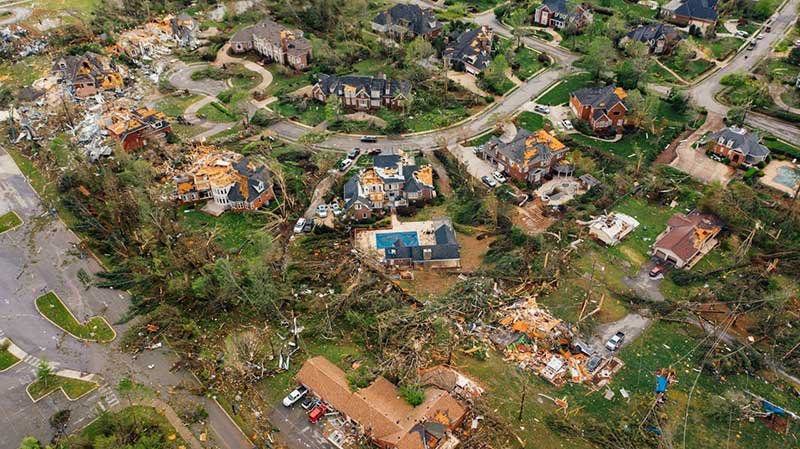
When wind travels over a structure, it doesn’t just blow against it. It creates pressure differences that can lift a roof from the top, like peeling off a sticker. This is known as uplift, and it’s a major reason why roof attachments must be strategically engineered. The stronger the wind, the more forceful the uplift. That’s why homes in storm-prone areas require reinforced roofing techniques far beyond the typical nail-and-board approach.
What Are Hurricane Straps?
Hurricane straps, also called hurricane ties or clips, are metal connectors designed to secure your roof’s framing to the walls of your house. They are small but mighty reinforcements that bridge the weak points where your roof and structure meet. Without them, high winds can easily lift the roof right off the home.
These metal straps wrap over roof trusses and anchor them directly to the wall studs or top plates. Properly installed, they create a continuous load path that distributes stress through the structure. In many states, especially those along coastal regions, these straps are not just a recommendation—they’re required by code.
The Role of Roof Trusses
Trusses are the skeletal framework of your roof. Engineers pre-design these wooden structures to distribute weight evenly across the building and provide essential shape and support. But trusses alone aren’t enough. Builders must connect them properly to withstand the stress of wind uplift and lateral pressure.
In a high-wind event, each truss experiences tension. If even one connection point fails, it can compromise the entire roof system. That’s why secure attachment using straps, clips, and specially rated fasteners is crucial. Builders often combine mechanical connectors with adhesives to create an even more resilient bond.
Nail Patterns Matter More Than You Think
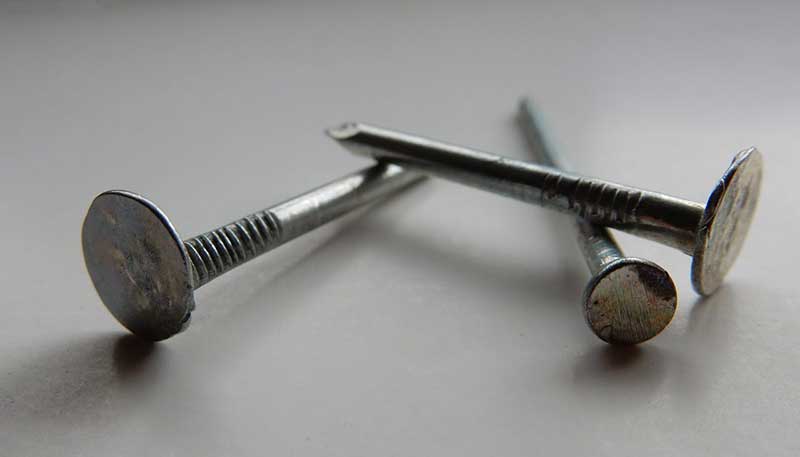
You might not think much about how you nail down your shingles, but the pattern, placement, and number of nails significantly impact your roof’s integrity. Builders don’t choose nail patterns randomly. They’re the result of engineering research that determines the best way to distribute force across a roof surface.
For example, Florida’s building codes—some of the strictest in the country—require specific nailing schedules for different types of roofing materials. The spacing between nails is critical. Too few nails or misaligned patterns can leave large sections vulnerable to wind damage. Even the angle at which nails are driven matters. Nails that are overdriven or angled incorrectly can weaken the hold and lead to shingle blow-offs.
Fasteners, Clips, and Connectors: The Unsung Heroes
Beyond nails and straps specialized for hurricanes, a whole array of specialized connectors are used to keep your roof components tightly joined. These include rafter ties, collar ties, ridge straps, and joist hangers. Each plays a unique role in tying parts of the frame together to resist different types of movement.
All fasteners must meet local building standards and be corrosion-resistant, especially in humid or salt-air environments. Builders often use galvanized or stainless steel hardware to ensure long-term durability. If rust or improper installation compromises even one part of the system, it can weaken the entire structure.
Sheathing and Its Attachment
Roof sheathing is the flat layer of boards or panels that sit beneath the shingles. Manufacturers typically make it from plywood or oriented strand board (OSB). How builders fasten this layer to the trusses or rafters significantly affects the roof’s ability to handle high winds.
Proper spacing between the panels allows for expansion and prevents buckling. More importantly, nails or screws used to attach the sheathing must penetrate deeply and be spaced precisely to meet wind resistance codes. Like other roof components, the goal is to ensure a continuous path of strength throughout the structure.
Roof Shape and Design Choices
Interestingly, the shape of your roof plays a role in how well it can resist wind uplift. Hip roofs, which slope on all four sides, tend to perform better than gable roofs, which have two flat ends. That’s because hip roofs allow wind to pass over more smoothly, while gable ends can act like sails and catch the wind.
Engineers and architects take this into account when designing homes in storm-prone areas. Features like overhangs, soffits, and roof pitch also affect wind resistance. A steeper pitch might help with rain runoff, but it also presents more surface area to wind forces. Balancing these factors requires careful planning and code-compliant construction.
Insurance and Risk Reduction
Having a securely attached roof isn’t just about safety—it also affects your insurance. Homes with reinforced roofing systems may qualify for discounts, especially in hurricane-prone states. Insurers recognize that proper strapping, correct nail patterns, and continuous load paths reduce the likelihood of a total roof loss during a storm.
Some insurance companies even offer free or subsidized inspections to help homeowners identify weak points in their current roofing system. These proactive steps can save both money and heartache in the long run. This is especially useful for homeowners who may be relocating during storm season. If you’re moving into a new home during this time, making sure the roof is properly reinforced helps you navigate the process safely and protects your investment from the start. It is important to know how to move during the hurricane season to avoid property damage.

Building Codes and Inspections
One of the best ways to ensure your roof’s structural integrity is to build or renovate according to modern building codes. In many states, inspectors are required to check roof attachments before closing a permit. These inspections aren’t just bureaucratic—they’re your safeguard against shortcuts or poor workmanship.
Building authorities continuously update codes based on new research and storm data. They may now consider what was acceptable 20 years ago substandard. That’s why many older homes undergoing renovations include retrofitting roof connections to bring them up to current standards.
Final Thoughts
The roof over your head is only as strong as the unseen engineering that holds it in place. From hurricane straps that connect trusses to walls, to carefully calculated nail patterns and sheathing attachments, every detail matters when the wind starts howling. The next time you look up at your ceiling during a storm, consider all the forces at play—and the precision that keeps those forces at bay.
Building a roof that can withstand nature’s fury isn’t just smart construction. It’s peace of mind. While much of the magic happens behind the scenes, it all adds up to one goal: keeping your home, and everything in it, safe and secure no matter what the forecast says.