

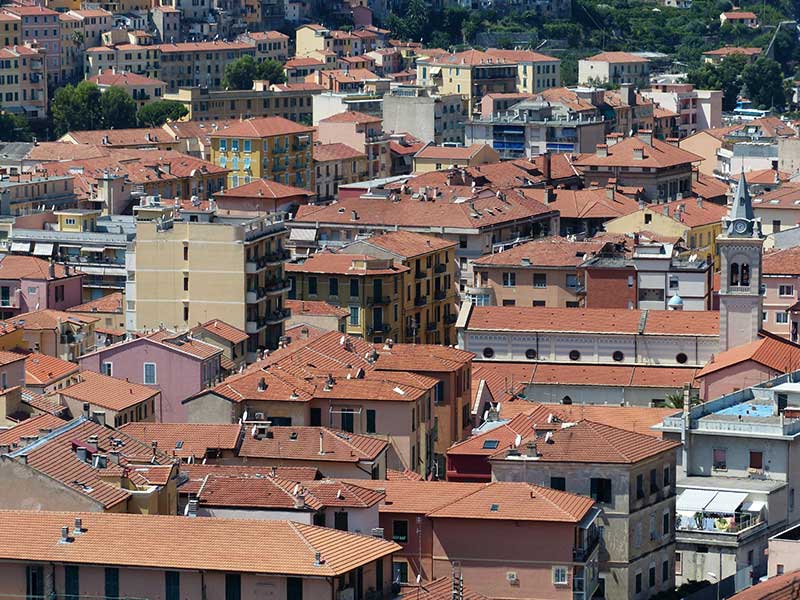
Urban areas hold heat longer than rural ones due to the urban heat island effect. Buildings, roads, and rooftops absorb sunlight during the day and release it slowly at night. This keeps city temperatures high even after sunset. Cooling systems work harder, energy bills rise, and outdoor comfort drops. As a result, property owners are rethinking their roofing choices in cities to help reduce heat absorption. The type of roof you choose can improve comfort, lower costs, and reduce environmental impact. Understanding how these changes affect buildings can guide you toward a design that works with, not against, the climate.
Planning for a Comfortable Home and City
First and foremost, if you are moving to a city with high summer heat, consider the roof’s design before finalizing a property. A heat-reducing roof can improve comfort and lower utility bills.
As you prepare for the move, thinking about how to plan a relocation to another city in a way that ensures you have a great moving experience can make the process more efficient. Coordinating property updates, such as roofing improvements, with your relocation schedule helps you settle in more smoothly.
A well-planned approach reduces the risk of dealing with major repairs right after you arrive. It also ensures your home is ready to handle seasonal heat from day one. This proactive mindset supports both personal comfort and long-term property value.
Understanding the Urban Heat Island Effect
Urban heat islands develop when built environments trap and store heat. Concrete, asphalt, and dark rooftops are the main culprits. These surfaces replace vegetation that would normally provide shade and cooling through evaporation. Without greenery, temperatures rise and stay elevated.
According to the U.S. Environmental Protection Agency, cities can be up to 7°F warmer than nearby rural areas on summer days. At night, the difference can still be several degrees. This temperature gap increases energy demand for cooling and worsens heat-related health issues. Vulnerable groups, such as older adults, are especially at risk during extended heat waves.
Air quality also suffers, as higher temperatures can increase ground-level ozone. The combination of health, comfort, and environmental concerns makes urban cooling strategies a priority for city planners. Roofing is a highly visible and impactful way to address this issue. Updating materials and designs can help manage indoor temperatures and reduce the urban heat island effect across entire neighborhoods.
How Heat Impacts Roof Performance
Prolonged heat exposure accelerates roof wear and tear. Materials expand and contract with temperature changes, which leads to cracking and deformation.
Asphalt shingles often lose their protective granules more quickly in intense sunlight. Tar-based roofing can soften, blister, or warp under constant heat. Even metal roofs, while durable, can experience expansion that stresses seams and fasteners.
Heat also affects insulation performance. As materials degrade, they trap less cool air inside the building. This forces air conditioning systems to run longer, raising utility bills. Over time, the added strain on cooling systems can shorten their lifespan. The combined effect of higher maintenance costs and reduced efficiency makes heat-resistant roofing a smart investment.
Choosing materials designed for hot climates can improve durability and performance. Reflective surfaces, light-colored finishes, and proper ventilation are key features. These choices not only extend roof life but also reduce cooling demands, lowering both energy costs and environmental impact.
Roofing Choices in Cities: What’s Driving the Shift
Dark, heat-absorbing roofs have dominated urban areas for decades. Now, property owners are looking for alternatives that lower temperatures and reduce energy use. Reflective and light-colored roofs can drop indoor temperatures by several degrees. This seemingly small change can cut cooling bills by up to 20 percent in warm climates.
Government incentives also play a role. Cities such as Los Angeles require new or replacement roofs to meet cool roof standards. Rebates and tax credits make upgrades more affordable. Policies like these directly influence roofing choices in cities. Reflective membranes, coated metal panels, and vegetative roofs are becoming common in both residential and commercial settings.
The shift is also driven by awareness. Property owners now understand that roofing materials can impact comfort, operating costs, and neighborhood temperatures. By selecting heat-reducing designs, they benefit personally while contributing to broader climate goals.
Cool Roof Technology and Materials
Cool roofs reflect sunlight instead of absorbing it, which keeps rooftop temperatures lower. This reduces heat transfer into the building below. Common materials include single-ply white membranes, reflective shingles, and coated metal panels. Each option has different costs and performance characteristics.
Cool roofs can reduce rooftop surface temperatures by up to 50°F. This can lead to noticeable drops in indoor temperatures without increasing cooling output. Lower rooftop temperatures also mean less heat radiating into the surrounding area. Widespread adoption of cool roofs can help lower neighborhood temperatures during heat waves.
While they may cost more upfront, the long-term savings in energy use and reduced maintenance often outweigh the initial investment. Some systems can be installed over existing roofing, which can cut labor expenses. Selecting a cool roof is a practical way to increase comfort, reduce utility bills, and support citywide cooling efforts.
Green Roofs as a Climate Solution
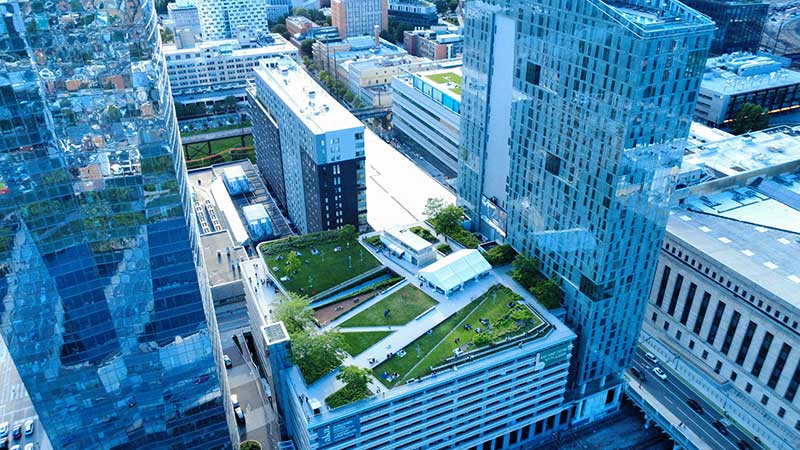
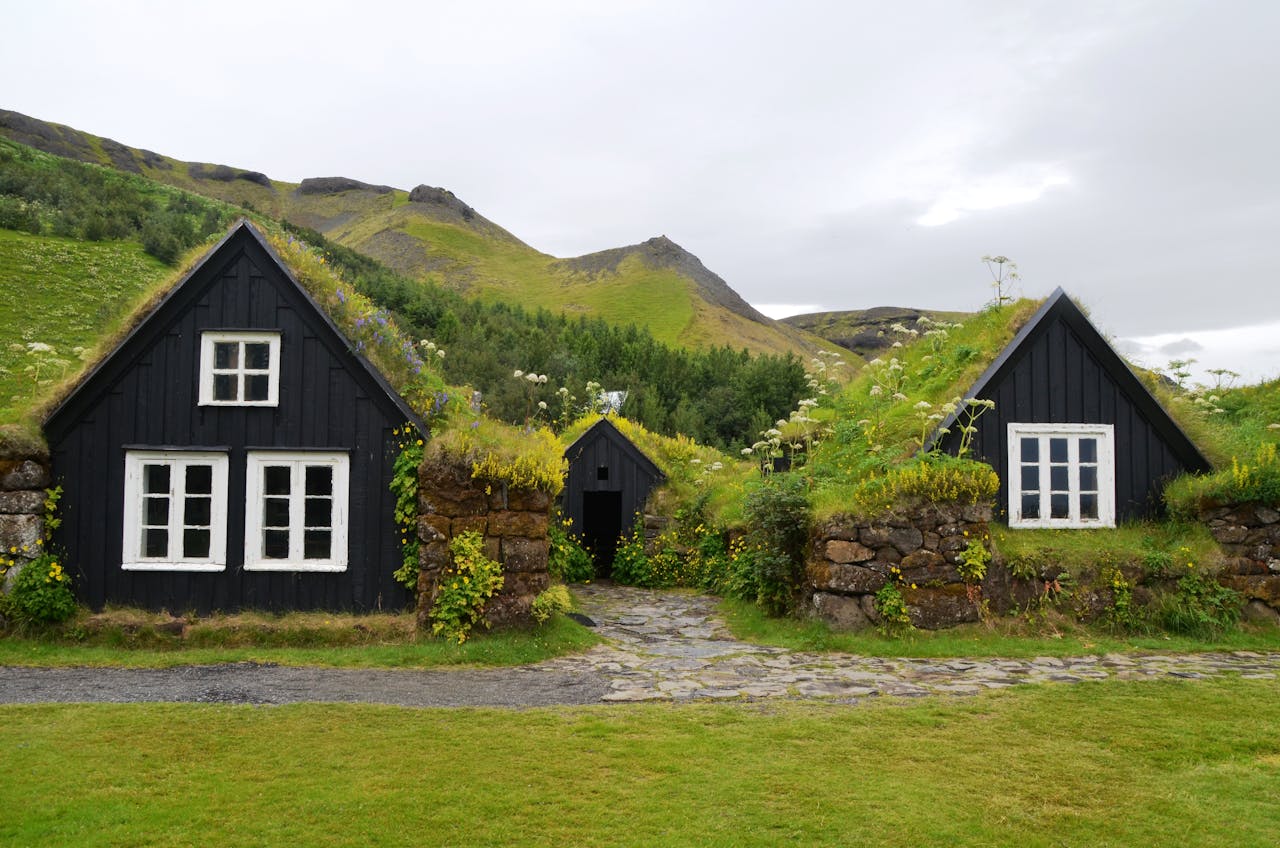
Green roofs use plants and soil layers to insulate buildings and reduce heat absorption. They create cooler surfaces compared to traditional materials. Vegetation shades the roof and helps lower temperatures through natural evaporation. Studies show that green roofs can be up to 40°F cooler than conventional rooftops during summer.
These systems also manage rainwater by absorbing precipitation, reducing runoff into drainage systems. This is valuable in cities that struggle with flooding after heavy rain. Cities such as Chicago and Toronto have invested in large-scale green roof programs. Chicago’s City Hall roof is a notable example, delivering energy savings and improving air quality.
Beyond environmental benefits, green roofs offer aesthetic value and can create usable outdoor spaces. However, they require additional structural support and regular maintenance. The long-term advantages, from energy savings to improved urban biodiversity, make green roofs a growing choice for property owners interested in sustainable design.
Wrap-Up
Urban heat islands are pushing property owners to rethink roofing design. Dark, heat-trapping materials are giving way to reflective and green solutions. These shifts in roofing choices in cities lower cooling costs, extend roof life, and contribute to cooler neighborhoods. Choosing the right materials benefits individual property owners and the wider community. It’s an investment in comfort, savings, and environmental responsibility.